Do-Not-Call Laws in Missouri: A Comprehensive Overview
Introduction
In the United States, the Do-Not-Call (DNC) registry has been a cornerstone of consumer protection since its inception. Missouri, like many other states, has its own set of do-not-call laws that are designed to shield residents from unsolicited telemarketing calls and robocalls. This article will explore the intricacies of Missouri's do-not-call laws, their significance, and their broader impact on privacy and consumer rights. Readers will gain a comprehensive understanding of how these laws work, their economic implications, and the technological advancements that support their enforcement.
Understanding Do-Not-Call Laws in Missouri
Missouri's do-not-call law is part of a larger federal framework established by the Federal Trade Commission (FTC). These laws are intended to prevent telemarketers and other entities from calling consumers who have registered their phone numbers on the National Do-Not-Call Registry. The Missouri Attorney General also enforces state-specific do-not-call provisions, adding an additional layer of protection for its citizens.
The core components of Missouri's do-not-call laws include:
- A national registry managed by the FTC where consumers can register their phone numbers to receive protection from telemarketing calls.
- State-specific registration options that may offer additional protections or faster implementation of DNC requests.
- Strict penalties for violators, including substantial fines and legal action.
These laws are significant as they represent a critical balance between consumer choice and the legitimate marketing activities of businesses.
Global Impact and Trends
The concept of do-not-call lists has gained international attention, with many countries establishing their own versions to protect citizens from unwanted solicitations. The trends shaping this landscape include:
- Increasing public awareness and participation in do-not-call registries worldwide.
- A rise in the use of artificial intelligence and predictive dialing, leading to more sophisticated enforcement measures against violations.
- The emergence of global cooperation initiatives where countries share best practices and enforcement strategies.
Economic Considerations
The economic impact of do-not-call laws is multifaceted. On one hand, they can reduce operational costs for legitimate businesses by minimizing the number of unproductive calls made. On the other hand, they can affect marketing strategies and overall sales figures for companies that rely heavily on telemarketing.
Market dynamics show that businesses are adapting to these regulations by:
- Investing in customer relationship management (CRM) systems to maintain engagement with existing customers.
- Exploring alternative marketing channels such as email, social media, and direct mail.
- Embracing customer data platforms to enhance personalization and relevance in their marketing efforts.
Technological Advancements
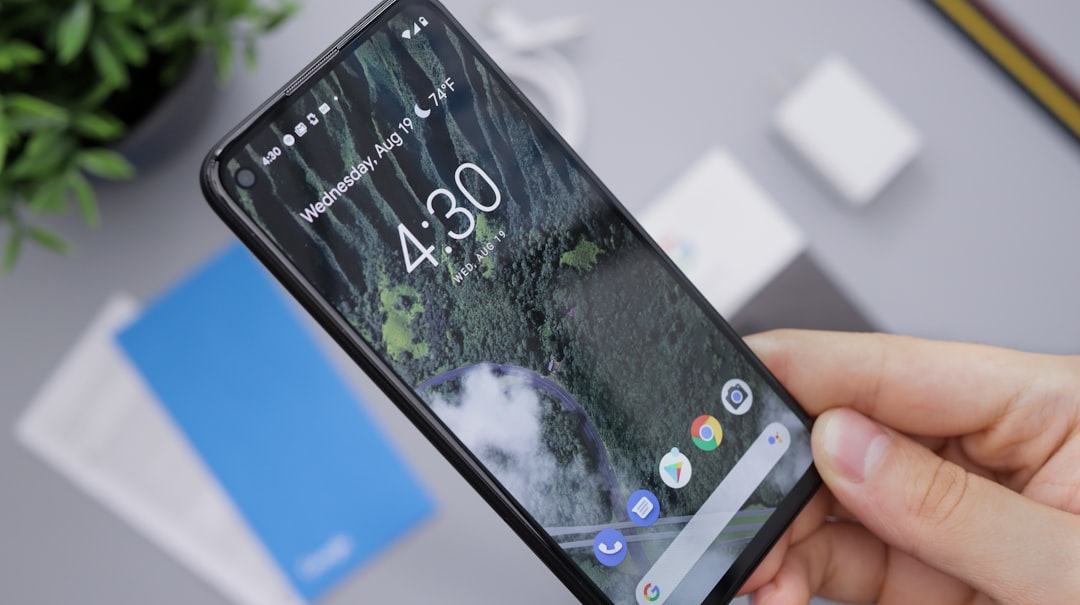
Technology plays a pivotal role in the enforcement of do-not-call laws. Advancements in caller identification technology, such as Caller ID and apps like Nomorobo, help consumers identify and block unwanted calls. Moreover, automated systems that use algorithms to detect and report violations are becoming more prevalent. Future potential includes the development of AI-driven enforcement tools that can autonomously manage compliance with minimal human intervention.
Policy and Regulation
The legislative framework governing do-not-call laws is complex, involving federal, state, and sometimes local regulations. Key policies include:
- The Telemarketing Sales Rule (TSR) enforced by the FTC, which sets the standards for telemarketing sales practices.
- State-specific do-not-call laws that may impose additional requirements or offer different protections.
- Regular updates to reflect new technologies and consumer protection concerns.
Challenges and Criticisms
Despite their benefits, do-not-call laws face challenges such as:
- The proliferation of robocalls, which have outpaced the regulatory measures designed to curb them.
- Issues with the National Do-Not-Call Registry's effectiveness in preventing all unwanted calls.
- Criticisms that the laws may be too restrictive for legitimate businesses and could hinder innovation.
Potential solutions include improving registry accuracy, enhancing law enforcement capabilities, and developing more robust cross-border cooperation to tackle the issue of international robocalls.
Case Studies
Several case studies illustrate the successful application of do-not-call laws:
- A study showing a marked decrease in telemarketing calls to areas with high registration rates in the National Do-Not-Call Registry.
- Legal actions taken against large-scale violators, resulting in substantial fines and improved compliance industry-wide.
- Innovative public awareness campaigns that have significantly increased registry enrollment.
Future Prospects
The outlook for do-not-call laws in Missouri and beyond is one of continuous adaptation to new challenges posed by technology. As robocall scams evolve, so too must the enforcement mechanisms. The future holds promise for more effective deterrence strategies, better integration of cross-border enforcement efforts, and perhaps even more consumer-centric marketing practices that respect privacy while still effectively communicating value.
Conclusion
Missouri's do-not-call laws are a testament to the evolving landscape of consumer rights and privacy in an increasingly connected world. They represent a delicate balance between protecting consumers and allowing businesses to operate effectively. As technology continues to advance, so too must the policies and enforcement mechanisms to ensure that the intention behind these laws—to give consumers control over their phone lines—remains paramount.
November 16, 2025
Do Not Call Laws Missouri Expert
Lees Summit residents can protect themselves from unwanted phone calls using Missouri's Do Not Call Registry, which blocks telemarketing for 30 days but has exemptions. A Do Not Call Lawyer Missouri offers guidance on navigating these complexities and taking legal action against violators. To p.......
Read more →
November 14, 2025
Do Not Call Laws Missouri Expert
Missouri's Do Not Call laws protect residents from unwanted telemarketing calls by requiring explicit consent. Enforced by the Attorney General's Office, violations incur significant fines. Consumers can register on the national registry and consult local Do Not Call Attorney Missouri spec.......
Read more →
November 12, 2025
Do Not Call Laws Missouri Expert
Wildwood, Missouri's diverse population includes vulnerable groups like seniors, low-income families, homeless individuals, and children from disadvantaged backgrounds. Key challenges include mobility issues, food insecurity, academic impacts on homeless students, lack of legal aid, and job tra.......
Read more →
November 10, 2025
Do Not Call Laws Missouri Expert
Florissant residents face growing scams, including spam calls from fake government agencies and utility companies. To protect themselves:- Verify utilities through direct provider contact.- Keep personal info private.- Stay informed via official channels and neighborhood watch.- Report suspicious ac.......
Read more →
November 7, 2025
Do Not Call Laws Missouri Expert
Maryland Heights, Missouri, tackles a surge in unwanted phone calls through education, registry enrollment, collaboration with telecoms, and legal action. Residents can protect their rights by registering on the state's Do Not Call Registry and seeking guidance from a lawyer for Do Not Call Law.......
Read more →
November 5, 2025
Do Not Call Laws Missouri Expert
Robocalls have become a significant issue in Missouri, prompting the state to enact strict Do Not Call Laws modeled after the TCPA. These laws, enforced by the Attorney General's Office, prohibit unauthorized calls with severe penalties. Independence, Missouri, employs a multi-faceted strategy.......
Read more →
November 3, 2025
Do Not Call Laws Missouri Expert
Missouri's Do Not Call laws protect residents from unwanted telemarketing calls by requiring explicit consent. Enforced by the Attorney General's Office, these laws carry substantial fines for violators. Businesses and individuals using automated messages must comply, implement opt-out mec.......
Read more →
November 1, 2025
Do Not Call Laws Missouri Expert
Springfield, Missouri, tackles spam calls using state laws like Do Not Call lists and federal regulations (TCPA) to protect residents from robocalls. Local authorities and law firms educate citizens on their rights and target call centers bypassing privacy. Through legal action and public awareness,.......
Read more →
October 30, 2025
Do Not Call Laws Missouri Expert
In the face of relentless telemarketing scams targeting Ozark residents, it's time to fight back. This article delves into the prevalent issue plaguing Missouri's communities, empowering locals with knowledge and legal recourse. Discover your rights as a Missouri resident under the state's stringent.......
Read more →
October 28, 2025
Do Not Call Laws Missouri Expert
In Missouri, including Columbia, Do Not Call laws protect residents from telemarketing violations. If a violation occurs, document evidence and file complaints with the Missouri Attorney General's Office or local authorities. Engage Do Not Call Lawyers Missouri for legal guidance, as they can a.......
Read more →